 KENNICE TOURS LIMITED
Volcanoes Nation Park
Volcanoes National Park is Rwanda’s most iconic safari destination, located in the northwest region and famous for its endangered mountain gorillas, dramatic volcanic landscapes, and rich rainforest ecosystems. It forms part of the Virunga Mountains and offers one of the world’s most unforgettable wildlife experiences through guided gorilla trekking. The park is a cornerstone of Rwanda’s eco-tourism and conservation success story.
Wildlife and highlights
Volcanoes National Park is best known for its mountain gorillas, which live in several habituated families across different sections of the forest. Visitors track them on foot and observe their natural behaviors in small, controlled groups. Golden monkeys are another key attraction, often seen in large troops moving quickly through bamboo zones.
Other wildlife includes forest buffalo, duikers, bushbucks, and a variety of forest birds such as turacos and sunbirds. While large mammals are less commonly seen due to dense vegetation, the park’s biodiversity is rich and highly specialized for volcanic forest ecosystems. Volcanoes National Park is one of Africa’s most extraordinary protected areas, situated in the northwestern part of Rwanda along the border with Uganda and the Democratic Republic of Congo. The park is part of the larger Virunga Conservation Area, a chain of ancient volcanic mountains that create a dramatic, mist-covered landscape unlike anywhere else on Earth. These towering volcanoes, dense bamboo forests, and rich alpine ecosystems form the perfect habitat for the world-famous mountain gorillas.
The experience of visiting Volcanoes National Park begins in Musanze, the gateway town that sits at the base of the volcanic highlands. From here, travelers are taken to park headquarters early in the morning for briefing sessions before setting out into the forest. The atmosphere is often cool and misty, with sunlight slowly breaking through the clouds over the green volcanic slopes. This creates a cinematic setting that builds anticipation for one of the most powerful wildlife encounters in the world.
Inside the park, the terrain changes quickly from cultivated farmland to thick rainforest and bamboo zones. The journey on foot is guided by experienced rangers and trackers who follow signs such as broken bamboo stems, nests, and footprints to locate gorilla families. The trek can take anywhere from one to several hours depending on the movement of the animals, but every step brings travelers deeper into a pristine and ancient ecosystem.
At the heart of Volcanoes National Park are the mountain gorillas, gentle and intelligent primates that live in family groups led by a dominant silverback. Observing them in their natural environment is a deeply moving experience. Visitors may witness them feeding on bamboo shoots, grooming one another, or resting quietly among the forest vegetation. The close resemblance between gorillas and humans often creates a strong emotional connection, making this encounter unforgettable.
Beyond gorillas, the park is also home to golden monkeys, a rare and playful primate species that thrives in the bamboo forests. Their energetic movements and bright golden fur make them a favorite among visitors who return for tracking experiences. The park’s volcanic slopes also support a variety of bird species, forest buffalo, and small antelopes, although many animals remain hidden within dense vegetation. The volcanic landscape itself is a major attraction. Peaks such as Mount Bisoke, Mount Karisimbi, Mount Muhabura, and Mount Sabyinyo offer hiking opportunities for adventurous travelers. Some hikes lead to crater lakes or panoramic viewpoints where visitors can see across Rwanda’s rolling hills and neighboring countries on clear days. The combination of volcanic geology and rainforest biodiversity makes the park a unique ecological treasure.
Volcanoes National Park is also deeply connected to conservation history. It is one of the success stories of mountain gorilla protection, where coordinated efforts between Rwanda, conservation organizations, and local communities have helped increase gorilla populations over the years. Tourism revenue directly supports conservation programs and community development, making each visit part of a larger environmental impact.
Best time to visit
Volcanoes National Park is best known for its mountain gorillas, which live in several habituated families across different sections of the forest. Visitors track them on foot and observe their natural behaviors in small, controlled groups. Golden monkeys are another key attraction, often seen in large troops moving quickly through bamboo zones.
Other wildlife includes forest buffalo, duikers, bushbucks, and a variety of forest birds such as turacos and sunbirds. While large mammals are less commonly seen due to dense vegetation, the park’s biodiversity is rich and highly specialized for volcanic forest ecosystems.
Travel tips
The best time to visit Volcanoes National Park is during the dry seasons from June to September and December to February. During these months, trekking conditions are easier, trails are less slippery, and visibility in the forest is improved. These conditions are ideal for gorilla trekking and photography.
The wet seasons from March to May and October to November bring heavier rainfall, making trails more challenging but also creating lush green scenery and fewer tourist crowds. Gorilla trekking is still possible year-round, as the animals remain in the forest throughout all seasons.
Recommended tours
Tour ideas that pair well with this destination.
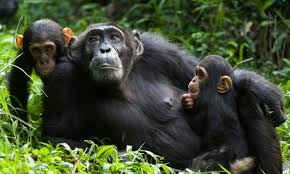
8-Day Uganda Gorilla, Chimpanzee & Wildlife Safari
Discover Rwanda in 8 days with gorilla trekking, chimpanzee tracking, Big Five safaris, scenic lakes, and unforgettable wildlife adventures.
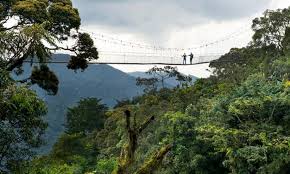
Rwanda’s Nature – 8-Day Gorillas, Chimps & Wildlife Safari
An 8-day Rwanda safari covering gorillas, chimpanzees, Lake Kivu, and Big Five wildlife in Akagera National Park.
Safari Guides
Useful planning articles related to this destination.