 KENNICE TOURS LIMITED
Meru National Park
Meru National Park is one of Kenya’s most beautiful and unspoiled wildlife destinations, famous for its diverse ecosystems, abundant wildlife, scenic rivers, and rich conservation history. The park offers visitors an authentic safari experience away from large crowds while providing excellent opportunities for game viewing, birdwatching, photography, and nature exploration.
Wildlife and highlights
Meru National Park is located in eastern Kenya, approximately 350 kilometers from Nairobi, covering an area of about 870 square kilometers. The park forms part of a larger conservation landscape that includes Kora National Park, Bisanadi National Reserve, and Mwingi National Reserve.
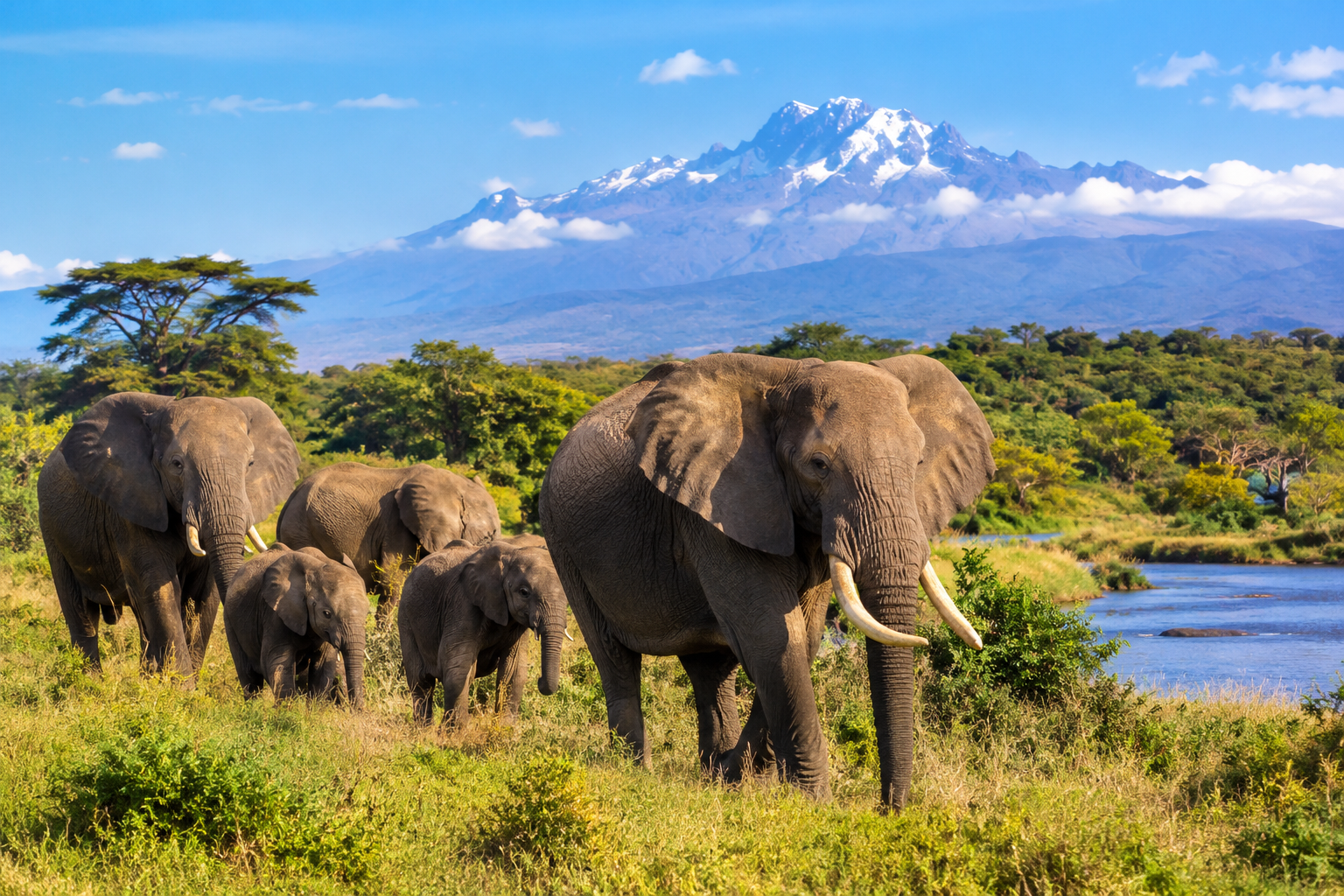
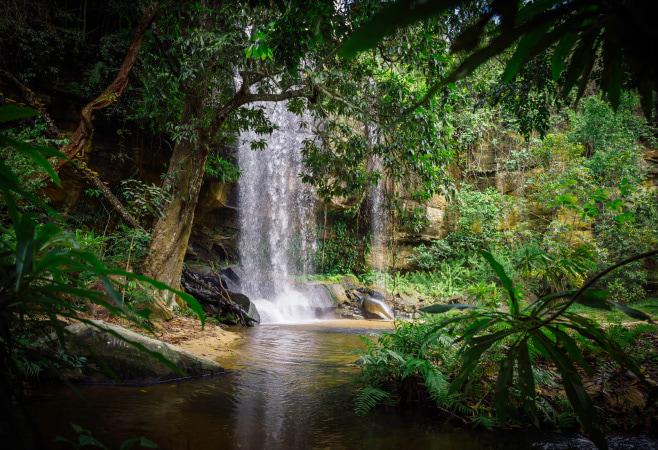
The park is renowned for its spectacular scenery characterized by open grasslands, acacia woodlands, riverine forests, swamps, and numerous rivers that flow from the slopes of Mount Kenya. More than thirteen permanent rivers and streams traverse the park, creating rich habitats that support a wide variety of wildlife.
Meru National Park gained international recognition through the conservation work of George Adamson and Joy Adamson, who raised and released Elsa the lioness, made famous by the book and film Born Free.
The park is home to the Big Five, including lions, leopards, elephants, buffaloes, and black rhinos. Other commonly seen wildlife includes cheetahs, giraffes, zebras, hippos, crocodiles, hartebeests, waterbucks, and numerous antelope species.
Bird enthusiasts will find Meru particularly rewarding, with over 400 bird species recorded throughout the park. The diverse habitats attract both resident and migratory birds, making it a year-round birdwatching destination.
Today, Meru National Park stands as one of Kenya’s conservation success stories, offering pristine wilderness, exceptional wildlife encounters, and a peaceful safari atmosphere.
Wildlife: African Elephants Lions Leopards Cheetahs African Buffaloes Black Rhinos Reticulated Giraffes Grevy’s Zebras Plains Zebras Hippos Nile Crocodiles Hartebeests Waterbucks Impalas Dik-diks Lesser Kudus Oryx Warthogs Olive Baboons Vervet Monkeys Over 400 Bird Species
Best time to visit
June to October Dry season with excellent wildlife viewing. Animals congregate around rivers and water sources. December to March Warm temperatures and clear skies. Excellent conditions for photography. April to May & November Green landscapes and fewer visitors. Outstanding birdwatching opportunities.
Travel tips
Use a 4x4 vehicle, particularly during rainy seasons. Carry binoculars for birdwatching and wildlife observation. Pack sunscreen, a hat, and lightweight clothing. Early morning and evening game drives provide the best wildlife sightings. Visit rhino sanctuaries and conservation areas within the park. Bring a camera with a telephoto lens for wildlife photography. Book accommodations in advance during peak travel seasons.
Recommended tours
Tour ideas that pair well with this destination.
Meru National Park Hidden Wilderness Safari – 4 Days / 3 Nights
Discover the wild beauty of Meru National Park on a 4-day private safari featuring guided game drives, diverse wildlife, scenic riverine landscapes and three...
Meru Wilderness Escape – Split-Stay Safari
Discover Meru National Park on a 5-day safari featuring two distinctive wilderness stays, exciting wildlife encounters, rhino conservation experiences and sc...
Safari Guides
Useful planning articles related to this destination.