 KENNICE TOURS LIMITED
Mara Naboisho Conservancy
Experience the untamed beauty of Mara Naboisho Conservancy, one of Kenya's remarkable private wildlife conservation areas. Enjoy exceptional wildlife viewing, guided game drives, walking safaris and night game drives in an exclusive wilderness setting.
Wildlife and highlights
One of the most recently established conservancies (2010), the Mara Naboisho Conservancy, is the product of a partnership between over 500 Maasai landowners working together to conserve their land. The conservancy spans across 145 square kilometers and is home to only nine safari camps and lodges. The Masai Mara National Reserve borders the conservancy to the southwest, the Olare Motorogi Conservancy lies to its west and the Ol Kinyei Conservancy lies to its east. Conservation efforts include limiting the number of visitors and safari vehicles within the conservation on a daily basis. The added benefit of this responsible tourism practice is the exclusive feeling of being all alone out there in the wild when you’re seated in the only safari vehicle in sight.
Big Cat Country With 70 - 100 identified lions living in or near the conservancy, this area is known for having one of the highest densities of lions in Africa. Mara Naboisho’s wide open savannahs make it easy to spot the big cats in action. One of the area’s largest lion prides, made up of 22 lions, resides in the conservancy. As if that wasn’t enough, there are also over a dozen leopards living in the area. Of course, there’s a good reason for the presence of all the big cats living in this area. The conservancy is also home to prey in all shapes and sizes. Conservation efforts have created a healthy ecosystem where herds of elephant, giraffe, wildebeest and zebra thrive. Mara Naboisho Conservancy is also home to a rare breed of African wild dog. Although the conservancy isn’t in the direct ‘great migration’ route, its migration corridor sees hundreds of thousands of animals trekking from the Masai Mara National Reserve to the Loita Plains in the east in the months May – June and November – December each year.
Bird-watching paradise Although you might be tempted to keep your eyes on the conservancy grounds, you may want to keep an eye on the skies as well. There’s no telling what might fly by. Naboisho is home to several very special bird species that very rarely stray from the area. Keep your binoculars handy to spot white-headed buffalo-weavers, northern white-crowned shrike, pygmy falcons, Von der Deckens hornbills, bush pipits and more. Although the 4-legged wildlife roaming this conservancy get more than their share of attention, bird-lovers scanning the blue skies and treetops are in for quite a treat while visiting the Mara Naboisho conservancy.
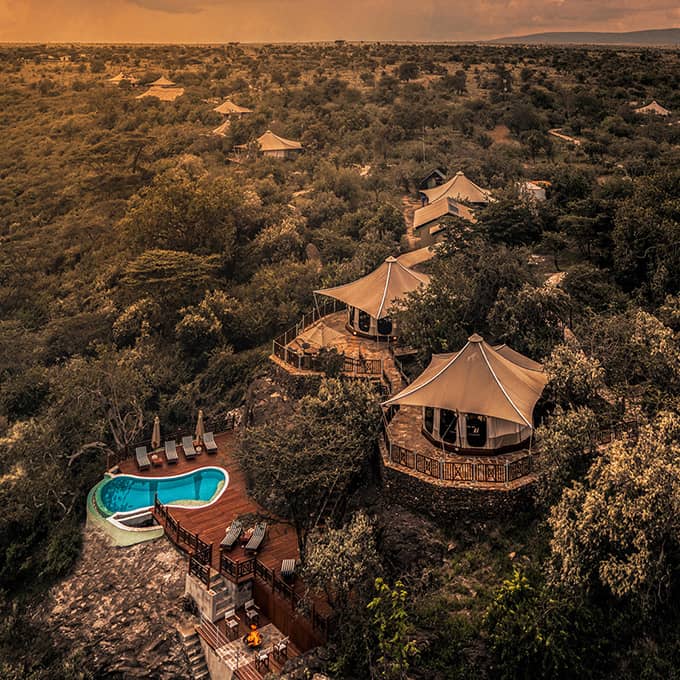
Accommodation in Mara Naboisho Conservancy With only nine tented camps and lodges in the conservancy, there is definitely an element of exclusivity and privacy for those choosing to stay at the conservancy. The upside is that you’ll encounter less crowds, won’t have to worry about queuing in safari vehicles and will experience a more authentic feel. The downside is – you’re not the only safari traveler interested in experiencing this kind of safari feeling. Keep in mind when planning your trip that the limited number of accommodation options in the conservancy fill up quickly, especially in peak travel season from July – October. As soon as you decide this is the way you want to go, you may want to lock down your choice of camp or lodge and book as soon as possible. The nine camps and lodges that operate out of the conservancy each have their own unique qualities. One thing they each have in common however is that they are all fully geared towards offering you a very comfortable, satisfying and unforgettable safari experience.
Activities Although activities may differ at each camp or lodge, most offer a variety of safari activities such as off-road driving, guided nature walks, bush meals and some limited night safari drives. There are also opportunities to get to know the local Masai people by visiting a Masai manyatta (village). The Maasai are shareholders in the conservancy and are very friendly and welcoming towards visitors. It’s important to note that your stay at the conservancy directly benefits the Maasai people in the area. The proceeds generated by safari visitors to the Mara Naboisho conservancy support access to clean water, access to renewable energy, education programs and the promotion of women’s economic activities in local Masai communities.
Best time to visit
Mara Naboisho Conservancy is a year-round safari destination, with each season offering a different landscape and wildlife experience.
January to March – Warm and relatively dry season
This period offers generally favourable conditions for game drives, photography and wildlife observation. The open grasslands and accessible safari routes provide opportunities to encounter predators, elephants, giraffes and various antelope species.
April to May – Long rainy season
The conservancy becomes greener, with fresh vegetation and beautiful photographic scenery. This period can offer quieter safari experiences, although some roads may become challenging due to rainfall.
June to October – Main dry season
This is one of the most popular periods for visiting Naboisho. Wildlife viewing is generally excellent as animals gather around available water sources and vegetation becomes less dense.
July to October is also a popular period for experiencing the Great Migration in the wider Maasai Mara ecosystem. Migration sightings within Naboisho itself should not be guaranteed.
November to December – Short rainy season
The landscape becomes greener, creating attractive conditions for photography and nature experiences. Wildlife remains present throughout the conservancy, and visitors can enjoy a quieter atmosphere compared with peak travel periods.
Booking advice: July to October and Christmas/New Year periods should be booked well in advance, particularly for luxury conservancy camps.
Travel tips
DOCUMENTATION AND ENTRY REQUIREMENTS
International visitors should check Kenya's current Electronic Travel Authorisation (eTA) requirements before travelling.
Carry a valid passport and any required travel documentation.
Keep copies of important travel documents and accommodation confirmations.
Check applicable visa, immigration and health requirements before departure.
CLOTHING AND PACKING
Pack lightweight, comfortable clothing suitable for warm daytime conditions.
Carry a warm jacket or fleece for early morning and evening game drives.
Choose neutral safari colours such as khaki, olive, beige and brown.
Pack comfortable walking shoes for guided walking experiences.
Bring a wide-brimmed hat, sunglasses and sunscreen.
Carry insect repellent for outdoor activities.
Bring binoculars for observing distant wildlife and birds.
A camera with a suitable zoom lens is recommended for wildlife photography.
WEATHER AND CLIMATE
Expect warm daytime temperatures and cooler mornings and evenings.
Pack rain protection during the rainy seasons.
Check the seasonal weather forecast before departure.
SAFARI ETIQUETTE AND SAFETY
Always follow the instructions of your professional safari guide.
Never approach, feed or attempt to touch wild animals.
Remain inside the safari vehicle unless your guide authorises you to exit.
Maintain a respectful distance from wildlife.
Avoid shouting, sudden movements and unnecessary noise during sightings.
Do not use flash photography without your guide's permission.
Never walk around the camp alone at night. Request an authorised camp escort.
Follow all walking safari safety instructions.
TRANSPORT AND ACCESS
Confirm your camp's exact location and recommended access route before travelling.
Allow sufficient time for road transfers from Nairobi.
For fly-in safaris, confirm your airstrip, flight baggage allowance and transfer arrangements.
Confirm whether your package includes private or shared safari vehicles.
BOOKING AND ACCOMMODATION
Reserve accommodation in advance, particularly during peak safari seasons.
Confirm the applicable conservancy fees before making payment.
Check whether game drives, walking safaris and night drives are included in your accommodation rate.
Confirm the meal plan and any additional charges.
Inform your tour operator about dietary requirements and special travel needs.
RESPONSIBLE TOURISM
Respect the Maasai communities and their cultural traditions.
Support responsible tourism operators and locally owned initiatives.
Avoid littering and dispose of waste responsibly.
Respect wildlife habitats and conservation regulations.
Choose ethical cultural experiences that benefit local communities.
Recommended tours
Tour ideas that pair well with this destination.
Safari Guides
Useful planning articles related to this destination.